
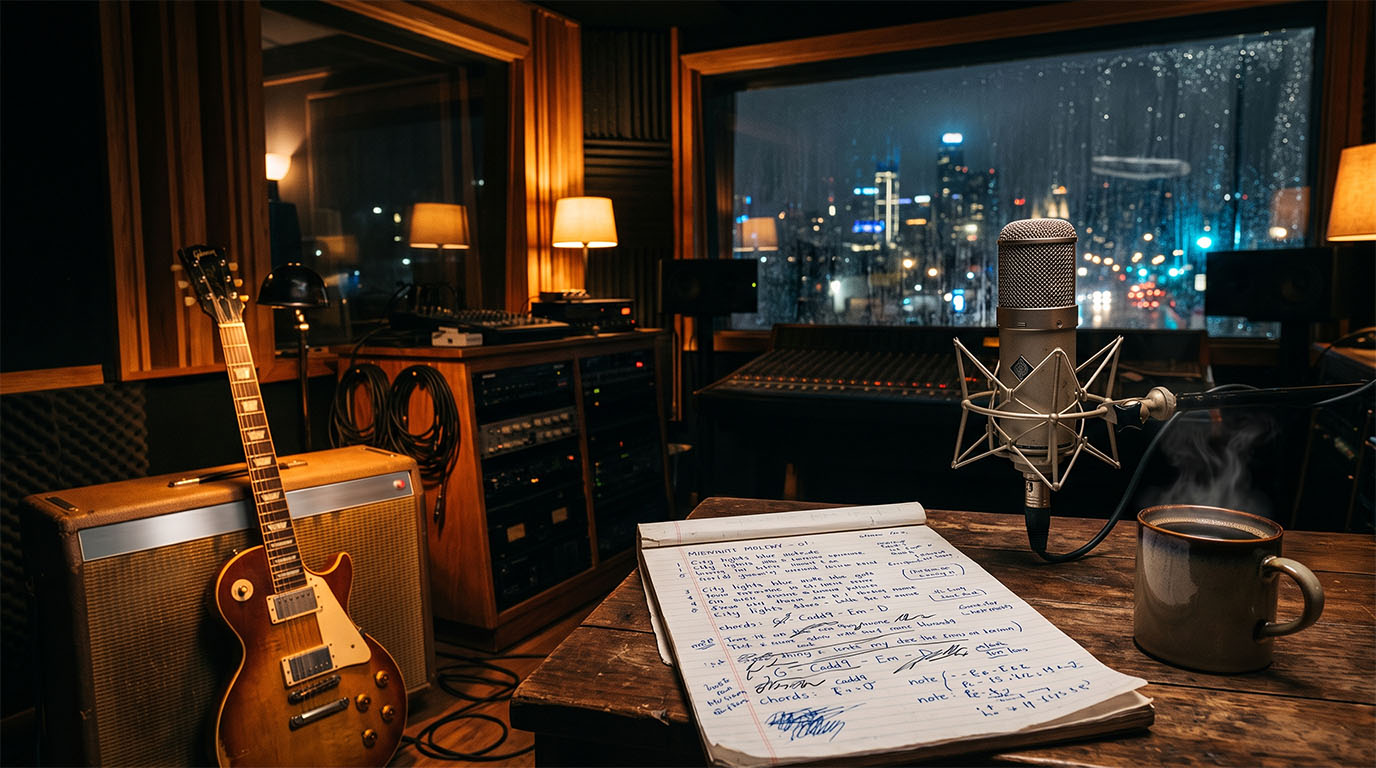
For decades, creating music was the greatest challenge facing independent artists. Recording studios were expensive, distribution was limited, and reaching listeners often depended on record labels, radio stations, or physical stores.
Today, almost anyone can write, record, produce, and release music to a global audience. Technology has dramatically lowered the barriers to entry, allowing more people than ever to share their work with the world.
Ironically, that has created a completely new challenge.
The hardest part of making music isn’t making music anymore. It’s earning someone’s attention.
We Have Unlimited Music. We Don’t Have Unlimited Attention.
Streaming has transformed the music industry in remarkable ways. Listeners now have instant access to millions of songs, and every day thousands of new tracks are released across the world’s largest streaming platforms.
For music fans, this abundance is a dream. There has never been more choice, more diversity, or more opportunity to discover new artists.
For musicians, however, the landscape has fundamentally changed. The biggest question is no longer “How do I release my music?” Instead, it has become “Why should someone choose to listen to my music instead of the thousands of other songs released today?”
This challenge appears regularly in discussions among independent musicians, where discoverability and audience attention are often described as bigger obstacles than recording or distribution itself.
Great Songs Alone Are No Longer Enough
None of this means that the quality of the music has become less important. In fact, a great song is still the foundation of every successful artist.
What has changed is how people discover music.
Listeners rarely find new artists by accident anymore. They discover them through playlists, recommendations, social media, articles, videos, podcasts, and communities built around shared interests. The music remains the destination, but the journey often begins somewhere entirely different.
Creating remarkable music is still essential. Today, however, it is only one part of building a lasting career.
The Artists Who Win Build Worlds
One of the biggest shifts in today’s music industry is that many successful independent artists think beyond individual releases.
Rather than focusing solely on the next single, they build an identity that listeners can recognise and return to. They develop a consistent visual style, tell stories about their creative process, curate playlists, share inspiration, and create experiences that extend beyond the music itself.
In many ways, they begin thinking less like musicians alone and more like publishers.
Instead of asking, “How do I promote this song?” they ask a more important question.
“How do I create something people genuinely want to return to?”
At Wallstone Records, this philosophy shapes everything we do. Rather than focusing only on individual releases, we work to build distinctive artistic identities through music, storytelling, curated playlists, and editorial content. You can explore our current roster on the Artists page, where you’ll find projects such as Tempo Syndicate and Highway Lantern, and Osken each with its own unique musical world.
Publishing Creates Relationships
Publishing doesn’t necessarily mean writing articles every week.
It means consistently creating value beyond the music itself.
That might include carefully curated playlists, behind-the-scenes photographs, studio updates, songwriting stories, interviews, videos, or thoughtful articles about music and creativity. Every piece of content gives someone another opportunity to discover an artist, while also giving existing listeners another reason to stay connected between releases.
The relationship doesn’t end when the final note fades away. It continues through everything surrounding the music.
Why This Matters for Independent Artists
Independent musicians may not have the marketing budgets of major labels, but they often have something equally valuable: authenticity.
They can communicate directly with listeners, respond to comments, explain the inspiration behind their songs, and build communities around shared interests instead of advertising campaigns.
Research into music discovery increasingly shows that social connections, recommendations, and communities play an important role in helping listeners discover new artists. Building genuine relationships with an audience is becoming one of the strongest competitive advantages an independent musician can have.
Looking Ahead
Technology will continue making music creation faster. Artificial intelligence will become more capable, streaming platforms will continue evolving, and new ways of discovering music will emerge.
One thing, however, is unlikely to change. People connect with people. The artists who build lasting careers will not simply release songs. They will create experiences, tell meaningful stories, and build communities that listeners genuinely want to be part of.
In an age where attention is increasingly scarce, music may begin the conversation, but everything surrounding the music is what encourages listeners to return. At Wallstone Records, we believe the future belongs to artists who create more than great songs. They create worlds worth returning to.
Frequently Asked Questions
Why is it harder for independent artists to get noticed today?
Releasing music has become easier than ever, which means listeners now have access to an enormous amount of new music every day. The challenge is no longer distribution. It’s standing out in a crowded landscape and earning someone’s attention.
Do artists need to become content creators?
Not necessarily. The goal isn’t to produce endless content. Instead, artists should create meaningful opportunities for listeners to connect with both their music and their story. Authenticity and consistency are more valuable than constant posting.
Why are playlists so important today?
Playlists have become one of the primary ways listeners discover new music. A carefully curated playlist provides context and mood while introducing audiences to artists they might never have found otherwise. In fact, we recently explored why electronic running playlists are becoming increasingly popular and how carefully curated collections can help listeners discover new artists.
Does storytelling really matter?
Yes. A strong artistic identity helps listeners remember an artist long after hearing a song. Storytelling, visual consistency, and authentic communication create deeper relationships than music alone.
How can independent artists compete with major labels?
Independent artists can often build closer relationships with their audience through direct communication, transparency, and a consistent creative identity. While they may not have the same marketing budgets, they can offer something many listeners increasingly value: authenticity.
References
- IFPI. Engaging with Music Report.
https://www.ifpi.org/resources/ - Creative Bloq. How Artists Can Get the Most Out of Creative Communities.
https://www.creativebloq.com/creative-inspiration/how-artists-can-get-the-most-out-of-creative-communities - ArXiv. Familiarizing with Music: Discovery Patterns for Different Music Discovery Needs.
https://arxiv.org/abs/2505.03568 - ArXiv. Link Me Baby One More Time: Social Music Discovery on Spotify.
https://arxiv.org/abs/2401.08818 - ArXiv. Social Interactions Affect Discovery Processes.
https://arxiv.org/abs/2202.05099 - Reddit. Discussions from r/musicmarketing and r/musicindustry covering discoverability, oversaturation, audience building, and long-term artist development. These discussions reflect community experiences and opinions rather than verified industry-wide data.