
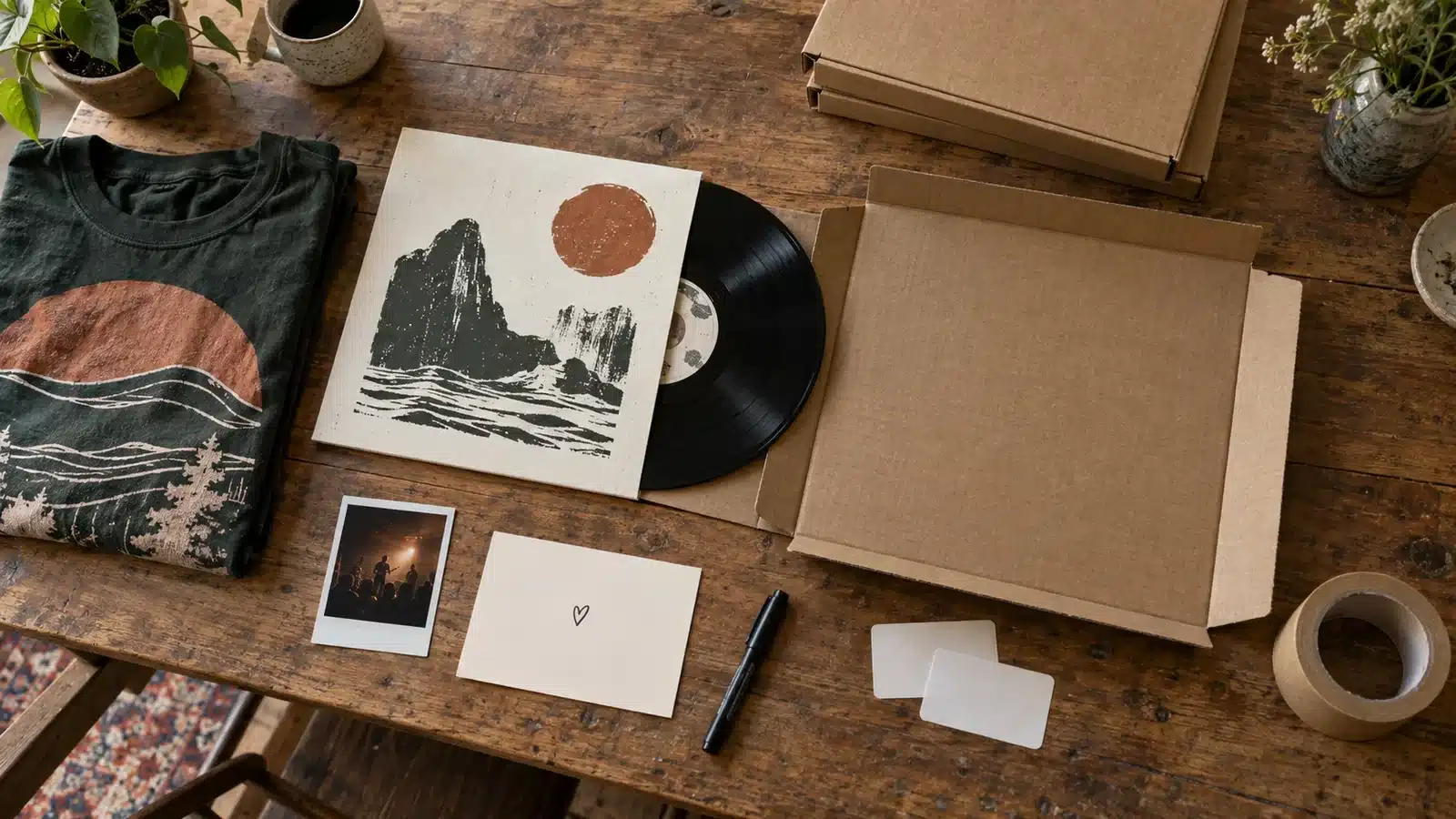
Direct-to-fan can sound like a piece of software.
Choose a platform, connect a store, upload a product and wait for an audience to arrive. The language makes the process feel technical, as though the right checkout button can transform casual listeners into committed supporters.
The technology matters. The relationship comes first.
On 23 September, the European independent-label organisation IMPALA released a new strategic primer with Music Ally focused on direct-to-fan and community platforms. The full report is available to IMPALA members, but its public announcement makes the priority clear: independent labels need better intelligence about platforms that can increase artist visibility and create direct-to-consumer opportunities.
That attention is timely. Streaming gives almost every release global availability, while social platforms offer enormous potential reach. Neither guarantees that an artist can contact the same listener again.
Direct-to-fan strategy begins by closing that distance.
Direct Does Not Mean Without Help
The word direct can be misleading. Most artists still use platforms, payment services, distributors, mailing tools and fulfilment partners. A label may coordinate the entire process.
What changes is the route between artist and supporter.
When someone joins a mailing list, follows an artist inside a music marketplace or buys from an official store, they create a connection that can continue beyond one recommendation cycle. The artist or label can announce the next release, explain a new project or offer something designed for people who already care.
This does not require complete ownership of the technology. It requires reasonable control over the relationship: permission to communicate, access to useful customer information and the ability to move the audience if a service changes.
A follower count on a social platform may look larger, but access to those followers remains conditional. An algorithm decides how many see the next post. Direct-to-fan works when the listener has actively asked for the connection to continue.
Streaming and Direct Support Solve Different Problems
Artists sometimes frame direct sales as an alternative to streaming. That creates an unnecessary choice.
Streaming is exceptionally good at access. It allows a new listener to hear a track immediately, compare it with the rest of a catalogue and carry it between devices. Playlists and recommendations can place an unknown artist in front of people who would never visit the artist’s website first.
Direct-to-fan is better suited to depth. It gives an interested listener somewhere to understand the project, receive updates and support work in ways that a stream alone cannot provide.
The useful path moves between the two. Discovery may begin on a streaming service, video platform, radio show or social post. The artist then offers a clear next step: join a list, follow a release page, attend a listening session, buy a physical edition or become part of a smaller community.
The mistake is expecting the place of discovery to maintain the entire relationship.
A Storefront Without a Community Is Still a Quiet Room
Putting music and merchandise online does not make a strategy direct-to-fan. It creates availability.
Bandcamp’s Artist Guide offers a useful distinction. The company says its community features—including discovery pages, recommendations, public fan collections and the music feed—generate 30% of monthly sales on the platform. A purchase becomes visible to other listeners, followers receive release notifications and artist recommendations can lead audiences between catalogues.
That means the store works partly because it is not isolated. Commerce, discovery and social proof reinforce one another.
An artist running an independent shop needs to create similar movement deliberately. A mailing list can announce a release, but the message needs a reason to matter. Liner notes, studio updates, photographs, listening events and thoughtful recommendations can turn a product page into part of a continuing story.
The goal is not constant content. It is continuity. A supporter should recognise where they are, why the artist has contacted them and what the new offer adds to the music.
The Relationship Must Exist Before the Offer
A direct channel becomes exhausting when every message asks for money.
Artists often wait until a release is ready before thinking about email, community or a store. They then try to build the channel and sell through it at the same time. The audience experiences a sequence of urgent requests without the quieter exchanges that make those requests feel natural.
A healthier rhythm begins earlier. Share progress when there is something worth showing. Explain a decision. Thank the people who came to a show. Recommend another artist. Let supporters see how one release connects to the next.
None of this needs to become a performance of artificial closeness. Fans do not require access to every part of an artist’s life. They need evidence that a real person or team is present and that their attention is valued.
A handwritten card in a record mailer can communicate that presence. So can an honest release note or a useful reply to a question. Small gestures become meaningful because they are specific.
A Smaller Audience Can Carry More Intention
In The Biggest Audience Isn’t Always the Most Valuable, I explored why monthly listeners cannot tell us whether people remember an artist, return to the catalogue or choose to support what comes next.
Direct-to-fan activity provides different signals.
A person who gives permission to receive email has made a small commitment. Someone who attends a listening party has contributed time. A repeat buyer has demonstrated trust. These actions involve more friction than passive playback, which is precisely why they can reveal more intention.
This does not make a paying fan more important as a person than a streaming listener. Different listeners have different means and different ways of participating. The value lies in understanding what each action communicates rather than reducing every relationship to the same number.
Independent artists rarely need millions of people to make a direct channel useful. They need enough genuine supporters for the work to become repeatable.
Physical Music Works Because It Carries Meaning
Direct-to-fan discussions often move quickly towards merchandise. Physical products can create meaningful revenue, but only when they belong to the artist’s world.
Bandcamp says merchandise now represents half of sales on its platform. That growth includes vinyl, cassettes and clothing, all of which give listeners something visible and lasting in exchange for their support.
The object alone is not the complete appeal. Artwork, notes, packaging and the knowledge that a purchase directly helps the artist all change how the item feels.
I wrote about this from another angle in Why the CD Revival Matters for Independent Artists. A physical format can become a practical point of connection when it is affordable, well considered and linked to a particular release story.
Limited editions should therefore have a reason to be limited. Bundles should make sense together. Scarcity can create urgency, but manufactured pressure damages the trust that direct relationships are meant to build.
The Label’s Role Is More Than Running the Shop
Direct-to-fan tools are sometimes presented as proof that artists no longer need labels. The better question is what useful work a label can do around the relationship.
A strong independent label can provide continuity across releases. It can maintain clean customer records, coordinate fulfilment, plan stock conservatively and protect the artist from spending every creative hour answering operational questions.
It can also help the artist make better editorial decisions. Which part of the story deserves a physical object? Which supporters should receive an early invitation? Does a membership offer enough ongoing value to justify another subscription in the fan’s life?
The label should not treat the audience as a database to be extracted. It should make the relationship easier to sustain while ensuring that privacy, consent and expectations remain clear.
That is patient infrastructure rather than campaign decoration.
A Useful Direct-to-Fan System Can Be Small
Artists do not need to launch a store, membership, private community, app and monthly product series at once.
A practical starting system has four parts:
- One reliable destination where listeners can understand and support the project.
- One permission-based channel through which the artist can contact interested people again.
- One recurring reason to return, such as meaningful updates, new music, events or recommendations.
- One offer that fits the audience and can be fulfilled without overwhelming the team.
The measurement should remain equally focused. Track repeat visits, replies, returning buyers, event attendance and the movement from one release to the next. A small list that responds is more useful than a large list collected without context.
Platforms will continue to change. The names of direct-to-fan services will change with them. A clear identity, permission to communicate and a history of treating supporters well can survive those changes.
The Direct Route Is Built Over Time
IMPALA’s new primer reflects a wider recognition across the independent sector: access to listeners is no longer enough. Artists and labels need ways to turn moments of attention into durable relationships.
No platform can automate that completely.
The most valuable part of direct-to-fan is not the transaction with the fewest intermediaries. It is the ability to recognise a supporter, communicate with care and offer something that deepens their connection to the work.
A checkout button can complete a sale.
Only consistency can give someone a reason to come back.
Frequently Asked Questions
What does direct-to-fan mean in music?
Direct-to-fan describes ways for artists or labels to communicate and sell directly to supporters through channels such as official stores, mailing lists, music marketplaces, subscriptions and fan communities. A third-party service may still provide the technology.
Does direct-to-fan replace streaming?
No. Streaming is an important access and discovery channel. Direct-to-fan gives interested listeners a separate way to maintain contact, learn more about the project and offer deeper support.
What should an independent artist build first?
Start with one clear destination and one permission-based contact channel, usually a reliable artist page or store combined with email or platform following. Add products and community features only when the team can maintain them consistently.