
Independence Needs Infrastructure, Not Isolation
As WINCON 2026 opens in Toronto, independent music leaders are asking how labels can move from advocacy towards shared ownership, infrastructure and durable collective power.

As WINCON 2026 opens in Toronto, independent music leaders are asking how labels can move from advocacy towards shared ownership, infrastructure and durable collective power.

Nearly half the royalties paid to Merlin’s Japanese members now come from abroad, showing how local identity and strong rights infrastructure can help independent music travel.

Scotland’s new music roadmap shows why industry strategies need named owners, real resources, deadlines and public evidence of progress.
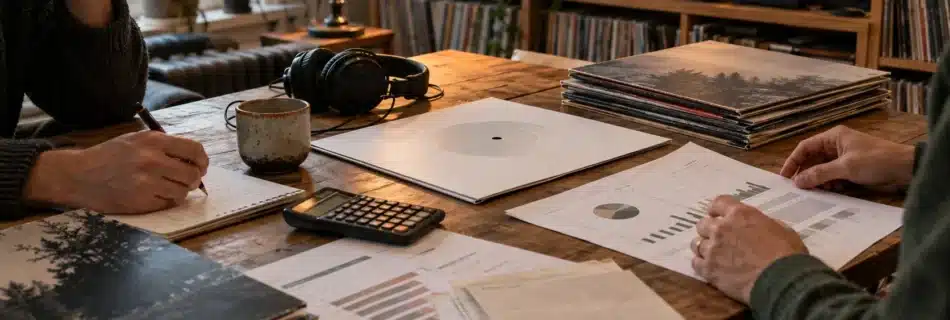
IMPALA’s finance push highlights why independent labels need patient capital that understands catalogues, creative risk and artist-development timelines.
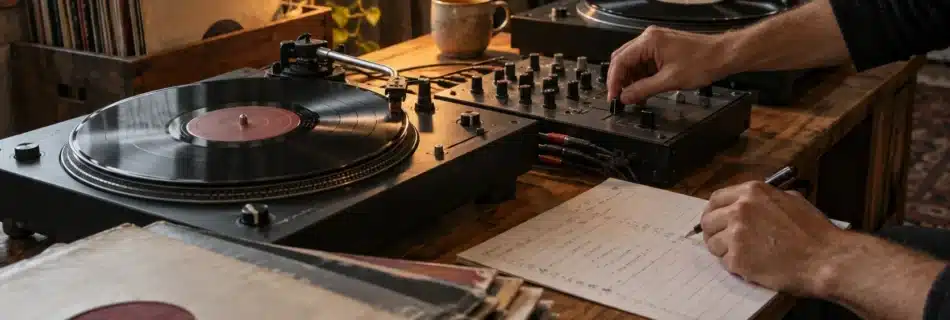
A new continuous DMV mix shows how careful curation and track-level metadata can bring mixtape culture into formal streaming without losing its flow.
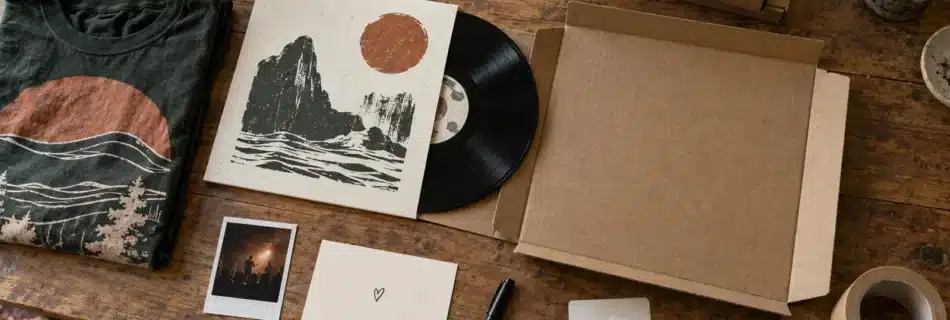
IMPALA’s new primer highlights direct-to-fan strategy. The real opportunity is not another store, but a relationship artists can sustain over time.
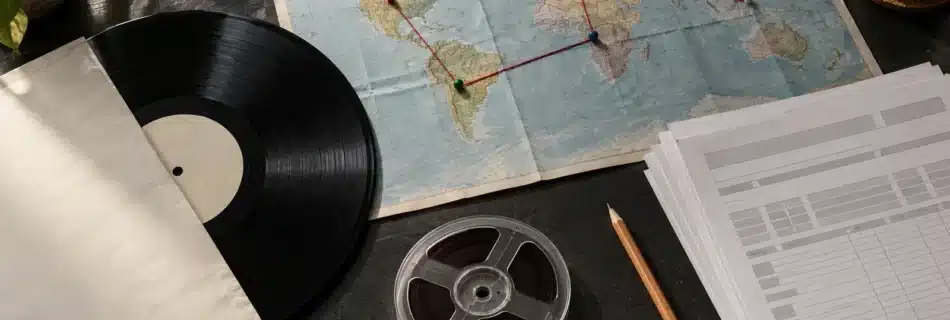
A new US–UAE neighbouring-rights agreement shows why global reach does not automatically produce global royalty payments for artists and labels.

Seventy-seven restored American Patchwork performances are reaching streaming for the first time, showing how preservation can become living music culture.

New RIAA figures show CD revenue surging in 2026. For independent artists, the format may offer a practical bridge between streaming discovery and tangible fan support.

Happy Artist Records’ first external signing shows how an artist-owned label can grow from a self-release vehicle into trusted infrastructure for a local music scene.